Как запрет на пластиковые пакеты во Вьетнаме в 2026 году меняет спрос на упаковку для напитков в Юго-Восточной Азии

Последнее обновление 11 апреля 2026 г. пользователем Лука
По мере того как Вьетнам готовится ввести в действие Указ 08/2022 — официально запрет небиоразлагаемых пластиковых пакетов с января 2026 года — Вьетнам запрет на пластик вынуждает провести быструю переоценку упаковки по всей цепочке поставок продуктов питания и напитков. Хотя указ нацелен на розничные пакеты, эта регуляторная философия напрямую распространяется на сектор напитков, создавая всплеск спроса на соответствующие альтернативы. Для B2B покупателей этот сдвиг ставит критический вопрос: Какая перспективная замена пластиковым стаканчикам в Юго-Восточной Азии?
Ответ становится все более ясным: Алюминиевые стаканы для напитков. Эти бесконечно перерабатываемые контейнеры призваны занять долю рынка, освобожденную пластиком. В этой статье анализируется волновой эффект введения во Вьетнаме запрета на пластик в 2026 году на упаковку напитков и демонстрируется, как сертифицированные Aikou алюминиевые стаканы для напитков предоставить импортерам из Юго-Восточной Азии соответствующее нормативным требованиям, высокопроизводительное и устойчивое решение для адаптации к новому нормативному ландшафту.
Оглавление
Регуляторный домино-эффект: от пакетов для покупок до упаковки напитков
Когда во Вьетнаме Указ 08/2022 вступит в полную силу в 2026 году, он не просто изменит способ упаковки продуктов ритейлерами — он коренным образом изменит соотношение затрат и выгод для всей одноразовой упаковки в цепочке поставок продуктов питания и напитков. Декрет запрещает небиоразлагаемые пластиковые пакеты размером менее 50х50 см при толщине пленки менее 50 мкм, а полный отказ от одноразовых пластиковых изделий запланирован на 31 декабря 2030 года..
Практическое воздействие уже ощутимо. Только в Ханое Резолюция № 22/2025/NQ-HDND предписывает, что с января 2026 года рынки и продуктовые магазины больше не смогут предоставлять бесплатные небиоразлагаемые пластиковые пакеты, в то время как гостиницам и туристическим зонам запрещено распространять одноразовые пластиковые изделия.. Ежедневно в городе образуется более 1 400 тонн пластиковых отходов, причем на одноразовые пластиковые изделия и пакеты приходится примерно 60% от этого общего объема.
Что это означает для упаковки напитков? Та же регуляторная философия —Расширенная ответственность производителя (EPR) в сочетании с ограничениями на использование, теперь применяется к упаковке, контактирующей с пищевыми продуктами. Производители и импортеры пластиковой упаковки обязаны перерабатывать предписанный процент или вносить взносы в Фонд охраны окружающей среды Вьетнама.. Это создает каскадный эффект: поскольку затраты на соблюдение требований к пластику растут, производители напитков и их поставщики упаковки активно ищут альтернативы, полностью обходящие эти нормативные трудности.
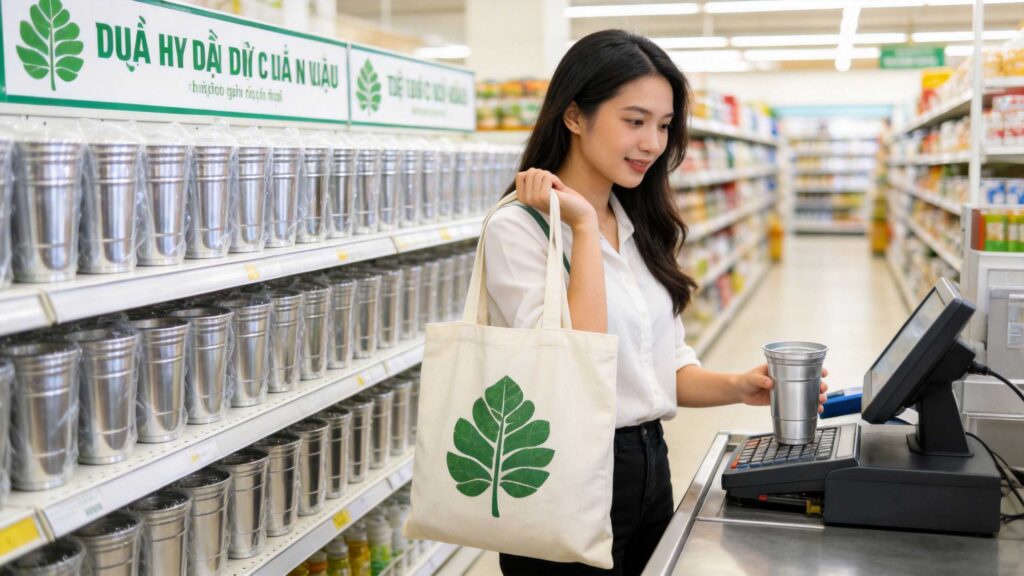
Почему алюминиевые пивные чашки являются стратегическим ответом на запрет пластмасс во Вьетнаме в 2026 году
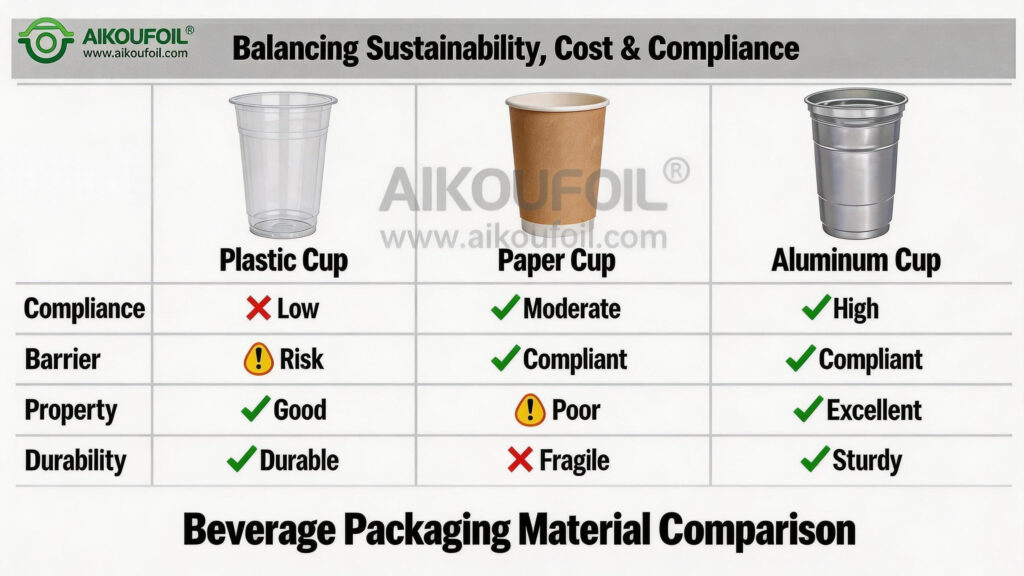
Для B2B-покупателей, занимающихся поиском упаковки для напитков на рынках Юго-Восточной Азии, матрица выбора материалов значительно сузилась. Давайте рассмотрим трех основных претендентов:
Для менеджеров по закупкам B2B, конкретно ориентирующихся на Запрет пластика во Вьетнаме: алюминиевые банки для напитков представляют собой не просто замену материалов, а комплексную стратегию соответствия. В отличие от пластиковых альтернатив, которые все еще могут подпадать под схемы расширенной ответственности производителя (РОП), или бумажных стаканчиков со скрытыми пластиковыми прослойками, алюминиевые стаканы для напитков предлагает четкий регуляторный путь. Приняв сертифицированные решения Aikou алюминиевые стаканы для напитков, импортеры не просто реагируют на Вьетнам запрет на пластик; они проактивно позиционируют свои бренды напитков для достижения ожидаемых целей по отказу от одноразового пластика к 2030 году во всем регионе АСЕАН. Именно этот стратегический сдвиг является причиной того, что объем поиска Запрет пластика во Вьетнаме: алюминиевые банки для напитков вырос среди дистрибьюторов Юго-Восточной Азии в первом квартале 2026 года.
Пластик (ПП/ПЭТ): Хотя пластиковые стаканчики явно не запрещены для использования в напитках, они сталкиваются с растущим ценовым давлением со стороны схем расширенной ответственности производителя, возможными акцизными налогами и растущим недовольством потребителей. Во Вьетнаме правительство стремится полностью устранить небиоразлагаемые пластиковые пакеты из современных розничных систем.. Хотя жесткие пластиковые контейнеры пищевого качества по-прежнему регулируются, а не запрещены, ситуация очевидна.
Бумажные стаканчики Бумажные стаканчики занимают доминирующее положение на рынке одноразовых стаканчиков в Юго-Восточной Азии, их доля составляет 62%, однако они сопряжены со скрытыми рисками. Большинство бумажных стаканчиков требуют полиэтиленового (ПЭ) покрытия для водостойкости, что делает их неперерабатываемыми в стандартных потоках отходов. Биоразлагаемый пластиковый стаканчик объемом 360 мл с крышкой стоит более 2000 вьетнамских донгов (7 центов США) — в семь раз дороже обычных пластиковых стаканчиков из ПП.
Алюминиевые формочки Алюминиевая фольга представляет собой привлекательный третий путь. В отличие от пластика, алюминий поддается бесконечной переработке без потери качества. В отличие от бумажных стаканчиков с покрытием, алюминий не нуждается в пластиковом барьерном покрытии. Что наиболее важно в контексте Юго-Восточной Азии, контейнеры из алюминиевой фольги уже признаны соответствующими альтернативами в соответствии с Директивой ЕС по одноразовому пластику — нормативным прецедентом, который политики АСЕАН внимательно изучают.
Рыночные данные подтверждают эту динамику. Объем рынка алюминиевой фольги для пищевой упаковки в Юго-Восточной Азии в 2024 году составил US$420 млн и, по прогнозам, к 2032 году достигнет US$650 млн, демонстрируя среднегодовой темп роста (CAGR) на уровне 5,7%.. На долю Индонезии и Вьетнама приходится более 45% регионального спроса, при этом Таиланд становится самым быстрорастущим рынком с годовым темпом роста (CAGR) на уровне 7,9%.
Чек-лист покупателя B2B: что на самом деле нужно импортерам из Юго-Восточной Азии
Проведя более десяти лет, консультируя импортеров упаковки по всей Юго-Восточной Азии, я выделил пять не подлежащих обсуждению критериев, которым производители напитков и дистрибьюторы отдают приоритет при оценке поставщиков алюминиевой фольги для стаканчиков:
1. Соблюдение нормативных требований в различных юрисдикциях: Юго-Восточная Азия не является монолитным рынком. Указ 08 Вьетнама устанавливает один стандарт; пересмотренные правила Таиланда в отношении материалов, контактирующих с пищевыми продуктами, которые соответствуют ISO 6486 и нормам АСЕАН по миграции свинца и кадмия, устанавливают другой. Поставщик должен продемонстрировать соответствие в этом фрагментированном нормативном поле.
2. Глубина сертификации безопасности пищевых продуктов: Времена базового соответствия прошли. Ведущие импортеры теперь требуют полного набора сертификатов: BRCGS Упаковка (стандарт управления упаковкой, одобренный GFSI), FSSC 22000 (включая углубленный анализ опасностей для безопасности пищевых продуктов), а также испытания FDA/SGS для конкретных материалов.
3. Возможность кастомизации с низким минимальным объемом заказа: Юго-восточные азиатские бренды напитков — от вьетнамских кофейных сетей до тайских франшиз пузырькового чая — требуют индивидуального дизайна стаканчиков, отражающего местную эстетику и идентичность бренда. Однако они не могут позволить себе высокие минимальные объемы заказов, типичные для западных поставщиков.
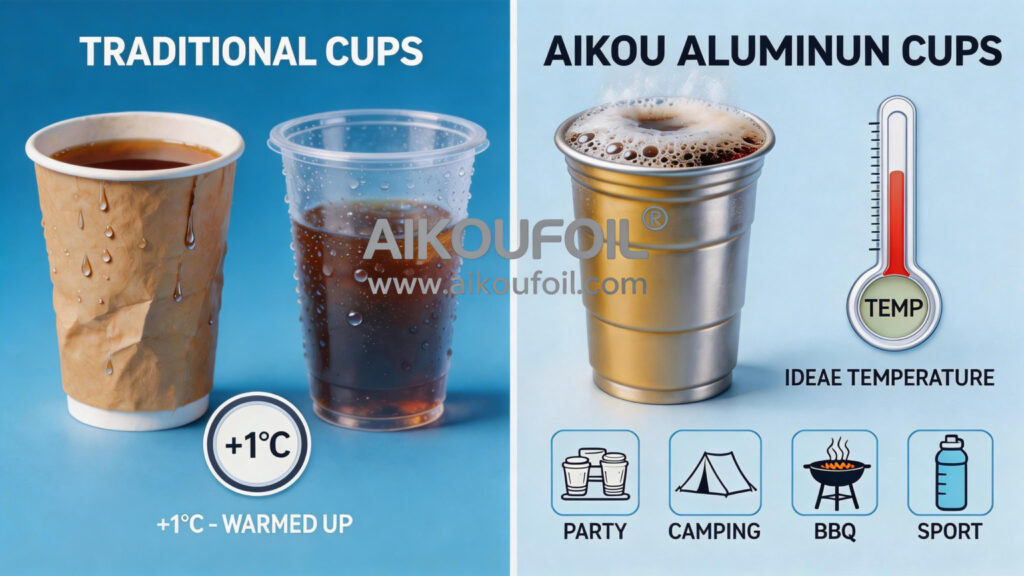
4. Тепловые характеристики и барьерные свойства: Присущие алюминию преимущества — охлаждение напитков в 3 раза быстрее, чем в пластиковой таре, и обеспечение барьерной защиты от света и влаги на уровне 99,9% — являются ключевыми факторами, выделяющими этот материал на фоне других в тропическом климате, где поддержание температуры напитков напрямую влияет на удовлетворённость потребителей.
5. Устойчивость цепочки поставок После пандемии импортеры из Юго-Восточной Азии отдают предпочтение поставщикам с диверсифицированными производственными мощностями и проверенными логистическими партнерствами. Основные порты Вьетнама в Ханое и Хошимине требуют 3-5 рабочих дней на доставку для поддержания эффективности запасов..
Стратегическое преимущество Aikou: совершенство сертификации и производственные мощности
Именно здесь 15-летний опыт Айкоу в производстве специализированной алюминиевой упаковки обеспечивает ощутимое конкурентное преимущество для покупателей из Юго-Восточной Азии. Позвольте мне подробно объяснить, что означает каждая сертификация с точки зрения реальных закупок:
ISO 9001: Базовая сертификация по менеджменту качества — но в производстве алюминиевой фольги это требует сложного контроля процессов на 35 автоматизированных производственных линиях, от плавления сырья до формовки готовых изделий. Это не ‘желательное условие“; это базовое требование для любого серьезного B2B-партнерства..
BRCGS Упаковка: Это золотой стандарт. BRCGS является одним из трех глобально одобренных GFSI стандартов управления упаковкой (наряду с FSSC 22000 и SQF). Сертификация требует внедрения исключительно надежной системы ISO 9001 плюс всестороннего анализа опасностей и управления рисками. Для импортеров напитков из Юго-Восточной Азии эта сертификация означает, что производство Aikou соответствует тем же строгим стандартам, которые ожидаются европейскими и североамериканскими розничными торговцами.
FSSC 22000: Эта схема включает углубленный анализ опасностей для контроля опасностей пищевой безопасности, минимизации рисков и обеспечения производства и поставки безопасных упаковочных материалов. Для применения в производстве напитков — где кислые напитки или напитки с высоким содержанием белка могут взаимодействовать с упаковочными материалами — сертификация FSSC 22000 предоставляет документально подтвержденную гарантию безопасности материалов и соответствия требованиям по миграции.
ХАССП Анализ опасностей и критические контрольные точки — всемирно признанный систематический превентивный подход к безопасности пищевых продуктов. В производстве алюминиевой посуды протоколы HACCP регулируют каждый этап, от поиска алюминиевых листов до нанесения окончательного покрытия.
ФДА и SGS: Продукты Aikou проходит испытания SGS на безопасность контакта с пищевыми продуктами, соответствующие стандартам FDA 21 CFR 175.300 и EU EC 1935/2004 — особенно подходит для кислых молочных напитков и высококоррозионных белковых напитков, которые становятся все более популярными на рынках Юго-Восточной Азии.
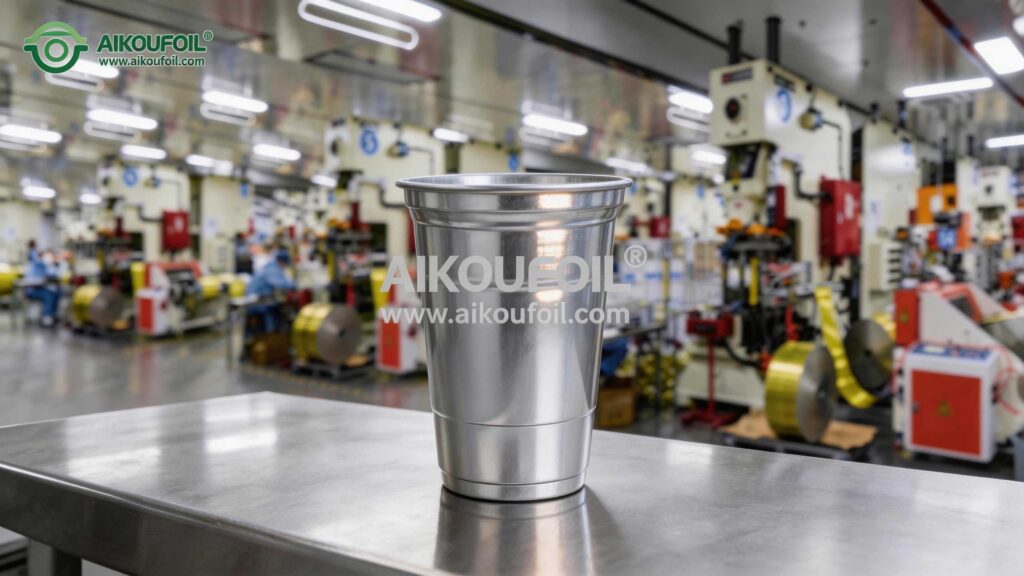
Производственная инфраструктура: Обладая более чем 15-летним специализированным опытом, 35 полностью автоматизированными производственными линиями, мастерской, соответствующей стандартам GMP, и более чем 200 вариантами пресс-форм в сочетании с 30 вариантами цветов, Aikou предлагает гибкость индивидуализации, необходимую брендам Юго-Восточной Азии, без непомерных минимальных объемов заказа, типичных для западных поставщиков..
Соответствие запрету на пластик во Вьетнаме: портфель алюминиевых стаканов для напитков Aikou для рынков ЮВА
Рынок напитков Юго-Восточной Азии отличается поразительным разнообразием: от традиционного вьетнамского кофе со льдом (cà phê sữa đá) и тайских чайных франшиз до индонезийских киосков с кофе и премиальных бутилированных напитков. Портфель алюминиевых стаканов для напитков Aikou охватывает весь этот спектр:
Алюминиевые стаканы для напитков: Прочные и многоразовые, но при этом экономически выгодные для одноразового использования, эти стаканы идеально подходят для продавцов напитков в Юго-Восточной Азии. Прочные и легкие, они идеально подходят для вечеринок, спортивных мероприятий, баров и фестивалей. Доступны индивидуальные цвета, размеры и дизайн логотипа для любого брендового мероприятия..
Контейнеры для термосварки: Для автоматизированных операций розлива и укупорки, которые становятся все более распространенными среди крупных производителей напитков в Юго-Восточной Азии, термоуплотнительные продукты Aikou подходят для различных жидких пищевых продуктов, включая фруктовые соки. Эти контейнеры обладают разнообразными герметизирующими свойствами, термостойкостью и совместимостью со стерилизацией во время обработки..
Пустые кофейные капсулы: С 2014 года Aikou исследовала и производила пустые кофейные капсулы, завоевав лояльных клиентов, совершающих повторные покупки, по всей Юго-Восточной Азии. Благодаря более чем 10 вариантам цвета и возможности быстрой доставки, эта линейка продуктов обслуживает процветающую культуру кофе в регионе..
Устойчивое развитие сверх соответствия требованиям: Императив циркулярной экономики
Регуляторы Юго-Восточной Азии не просто запрещают пластик — они создают инфраструктуру для циркулярной экономики. Закон Вьетнама об охране окружающей среды 2020 года ввел расширенную ответственность производителя (РОП), обязав производителей и импортеров нести ответственность за сбор, переработку и утилизацию своей продукции и упаковки после того, как потребители их выбросят..
Алюминий обладает уникальными преимуществами, позволяющими ему успешно развиваться в данных нормативных условиях. В отличие от пластика, качество которого ухудшается с каждым циклом переработки, алюминий сохраняет 100% своих качеств при бесконечной переработке. Использование 90% вторичного алюминия позволяет сократить выбросы CO2 на 75% по сравнению с первичными материалами. Одна одноразовая алюминиевая пивная кружка спасает 500 пластиковых стаканчиков от попадания в океаны ежегодно..
Для брендов напитков, работающих в Юго-Восточной Азии, переход на алюминиевые стаканчики — это не просто способ избежать штрафов, а мера по обеспечению готовности к будущим требованиям в рамках системы расширенной ответственности производителей (EPR), которые становятся всё более строгими. Экологические цифры говорят сами за себя: во Вьетнаме ежегодно образуется около 1,8 млн метрических тонн пластиковых отходов, однако перерабатывается лишь 27%. Каждая использованная алюминиевая чашка означает постоянное исключение из этого потока отходов.
Взгляд в будущее: Ландшафт упаковки напитков в Юго-Восточной Азии в 2026-2030 годах
Регуляторная траектория ясна. К 2030 году Вьетнам планирует полностью прекратить производство и импорт одноразового пластика и пенопластовых пищевых контейнеров. Дорожная карта Ханоя рассчитана до 2031 года, когда будет запрещено производство и импорт всей одноразовой пластиковой продукции и небиоразлагаемой упаковки.. Подобные политики распространяются по всей АСЕАН — дорожная карта Таиланда по управлению пластиковыми отходами подчеркивает постепенное сокращение, в то время как индонезийская провинция Бали уже запретила производство бутилированной воды объемом менее одного литра с января 2026 года..
Для B2B покупателей упаковки стратегический императив безошибочен: Окно для перехода цепочек поставок упаковок напитков закрывается. Бренды, которые сегодня обеспечат надежные, сертифицированные поставки алюминиевых стаканчиков, получат преимущество первопроходца на рынке, где соответствующие требованиям альтернативы скоро станут обязательными, а не опциональными.
Aikou готова к сотрудничеству с импортерами из Юго-Восточной Азии, которые проходят через эти перемены. Обладая более чем 15-летним опытом в производстве алюминиевой упаковки, производственными мощностями, соответствующими стандартам GMP, и полным набором сертификатов (FSSC 22000, BRCGS, ISO 9001, HACCP, FDA, SGS), Aikou обеспечивает качество, соответствие требованиям и надежность цепочки поставок, которые требуются в этот регуляторный момент.
Станьте партнером Aikou: Ваш путь к возможностям алюминиевой упаковки напитков в Юго-Восточной Азии
Запрет на использование пластиковых пакетов во Вьетнаме в 2026 году — это только начало. Поскольку нормативно-правовая база Юго-Восточной Азии ужесточается, а ожидания потребителей смещаются в сторону устойчивой упаковки, алюминиевые стаканчики представляют собой одну из наиболее привлекательных возможностей для роста в секторе упаковки напитков в регионе.
"Айкоу" приглашает дистрибьюторов из Юго-Восточной Азии, производителей напитков и импортеров упаковки к изучению возможностей партнерства. Наша команда оказывает всестороннюю поддержку, включая:
- Бесплатное тестирование образцов с документацией о безопасности контакта с пищевыми продуктами, сертифицированной SGS
- Разработка нестандартных пресс-форм для уникальных дизайнов кружек с лучшим в отрасли временем выполнения заказа
- Руководство по соблюдению нормативных требований на рынках Вьетнама, Таиланда, Индонезии и Малайзии
- Конкурентоспособные минимальные объемы заказа которые как для новых брендов, так и для уже существующих дистрибьюторов
- Надежные логистические партнерства обеспечение стабильных поставок в крупные порты Юго-Восточной Азии
Свяжитесь с Aikou сегодня, чтобы обеспечить свои цепочки поставок алюминиевых пивных банок до крайнего срока соответствия в 2026 году.
📧 Электронная почта:[email protected]
📱 WhatsApp/WeChat: 86-18823282343
📞 Тел: +86 0757 82725855
🌐 Веб-сайт: www.aikoufoil.com