Avance de WTCE Hamburgo 2026: Cómo la mayor exposición de catering aéreo del mundo moldeará el abastecimiento sostenible de bandejas de comida

Última actualización el 10 de abril de 2026 por Luca
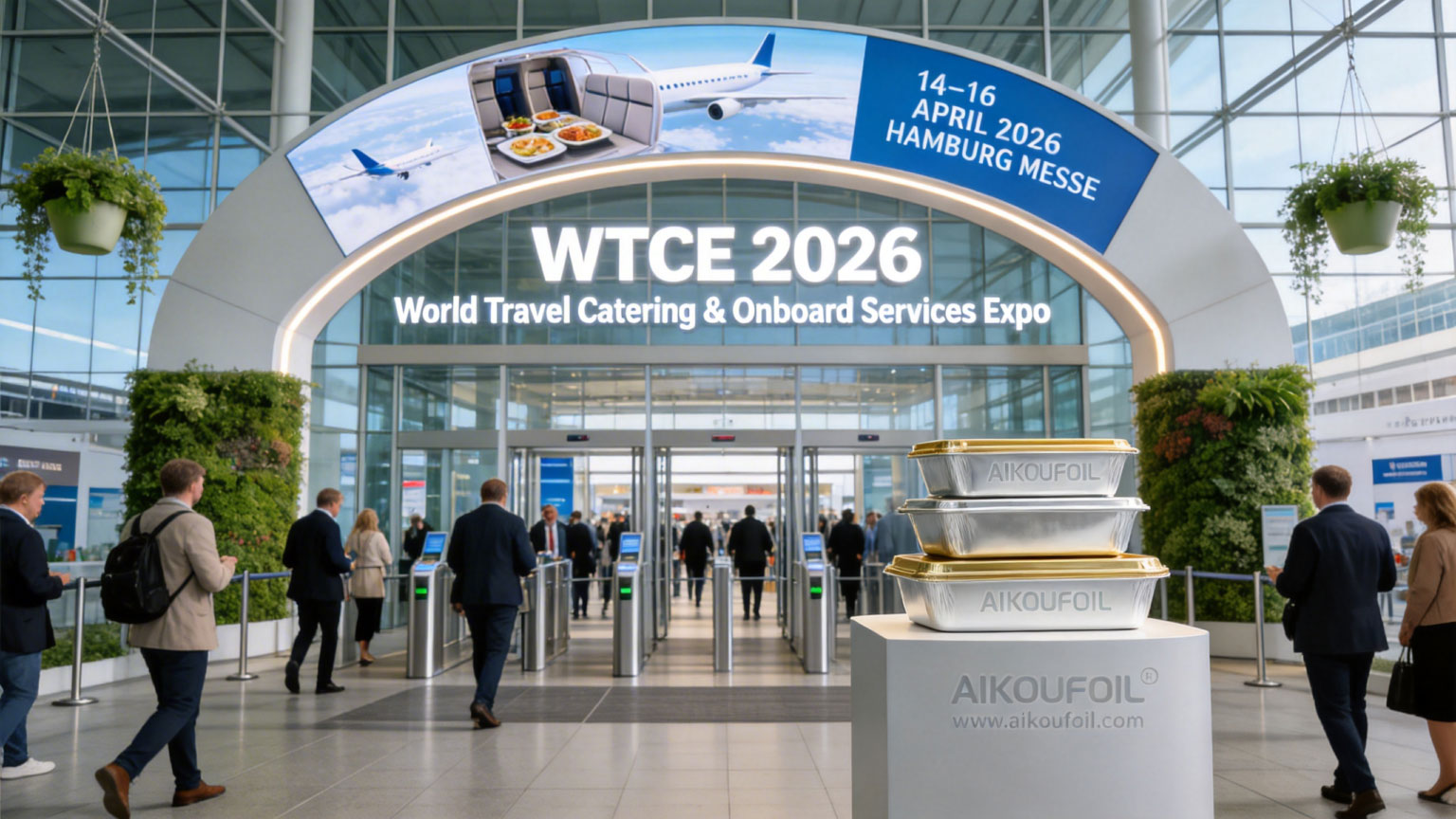
WTCE Hamburgo 2026 La adquisición sostenible de bandejas de comida será el centro de atención cuando la mayor feria de catering aéreo del mundo regrese a Hamburgo Messe del 14 al 16 de abril de 2026. La World Travel Catering & Onboard Services Expo (WTCE) regresa como el mercado definitivo donde se influyen decisiones de compra por valor de miles de millones de dólares, donde compromisos de sostenibilidad transformarse en acciones tangibles de la cadena de suministro y dar forma al futuro de la restauración a bordo. Para los gerentes de compras de aerolíneas y empresas de catering de todo el mundo, este único evento a menudo determina qué soluciones de embalaje llegarán a las cocinas de los aviones en los próximos años. A medida que el número de pasajeros aumenta a niveles récord y las regulaciones ambientales se endurecen en todos los mercados de aviación importantes, la humilde bandeja de comida de aerolínea, específicamente el contenedor de comida de papel de aluminio, ha emergido de segundo plano como un activo estratégico en las operaciones de las aerolíneas y en los informes ESG. En esta vista previa integral, examinamos exactamente cómo WTCE 2026 impulsará la conversación sobre el abastecimiento sostenible, qué están buscando activamente los compradores de las aerolíneas y por qué las bandejas de comida de papel de aluminio de fabricantes especializados como Aikou están posicionados para convertirse en el estándar de adquisición para la próxima década de crecimiento de la aviación.
Tabla de contenido
WTCE Hamburgo 2026 Abastecimiento de Bandejas de Comida para Aerolíneas: Lo que los Gerentes de Compras Necesitan Saber
El WTCE 2026 tendrá lugar del 14 al 16 de abril de 2026, en el Hamburg Messe de Hamburgo, Alemania, coincidiendo con el Exposición de Interiores de Aeronaves (AIX) para proporcionar un mercado integral para interiores de cabina, servicios a bordo e innovaciones en la experiencia del pasajero. Más de 300 expositores exhibirán sus ofertas en tres pabellones, incluido un nuevo Pabellón A2 recién inaugurado dedicado exclusivamente a gategroup y sus marcas a bordo. Más de 160 aerolíneas enviarán a responsables de adquisiciones y decisiones de catering al recinto ferial, con asistencia confirmada de British Airways, Air Canada, Delta, AirAsia, easyJet, American Airlines, Lufthansa y Qatar Airways.
Por primera vez en WTCE, los asistentes pueden seguir el Pasos hacia el Sendero de la Sostenibilidad, una ruta curada a través del área de exhibición que destaca los desarrollos destinados a apoyar la producción y las operaciones conscientes con el medio ambiente. Este recorrido, junto con el programa de tres días del Taste of Travel Theatre de sesiones de expertos que cubren sostenibilidad, experiencia del pasajero y eficiencia operativa, convierte a WTCE 2026 en la edición más enfocada en la sostenibilidad de la historia del evento. Además, la recién lanzada red asesora Journey Circle reúne a altos profesionales de aerolíneas de Austrian Airlines, Ethiopian Airlines, Sunclass Airlines y Riyadh Air para dar forma a temas de contenido y prioridades de innovación, con la sostenibilidad identificada como un área de enfoque principal.
El panorama de la aviación en 2026: los números récord de pasajeros impulsan la demanda de empaques
El contexto comercial para la adquisición de bandejas de comida para aerolíneas nunca ha sido más favorable, ni más exigente. Asociación de Transporte Aéreo Internacional (IATA) prevé que el tráfico mundial de pasajeros aumente un 4,91 TP3T en 2026, y se espera que el número total de pasajeros alcance los 5.2 mil millones, lo que supondrá la primera vez que el sector supere la Hito de 5 mil millones de pasajeros. Esto representa un aumento absoluto de aproximadamente 220 millones de viajeros adicionales en comparación con 2025, con un crecimiento particularmente fuerte impulsado por el impulso económico en China, India y Vietnam.
Este aumento del número de pasajeros se traduce directamente en un incremento del volumen del servicio de comidas. Se prevé que el mercado mundial de servicios de catering a bordo, valorado en aproximadamente 19 250 millones de dólares en 2025, alcance los 21 000 millones de dólares en 2026, con una tasa de crecimiento anual compuesto (CAGR) del 9,1%. Detrás de estas cifras se esconde una realidad preocupante: se prevé que el mercado de los envases para comida de avión alcance aproximadamente los 4.5 mil millones de dólares estadounidenses en 2033, con un crecimiento a una tasa compuesta anual (CAGR) del 5,2% a partir de 2025. Cada pasajero adicional no solo supone una comida que servir, sino también un envase que hay que adquirir, transportar, calentar, servir y, en última instancia, desechar o reciclar. Para los equipos de compras de las aerolíneas, esto significa que garantizar el acceso a proveedores fiables y con gran capacidad de suministro de envases para comidas es ahora una prioridad operativa fundamental, y no una cuestión secundaria.
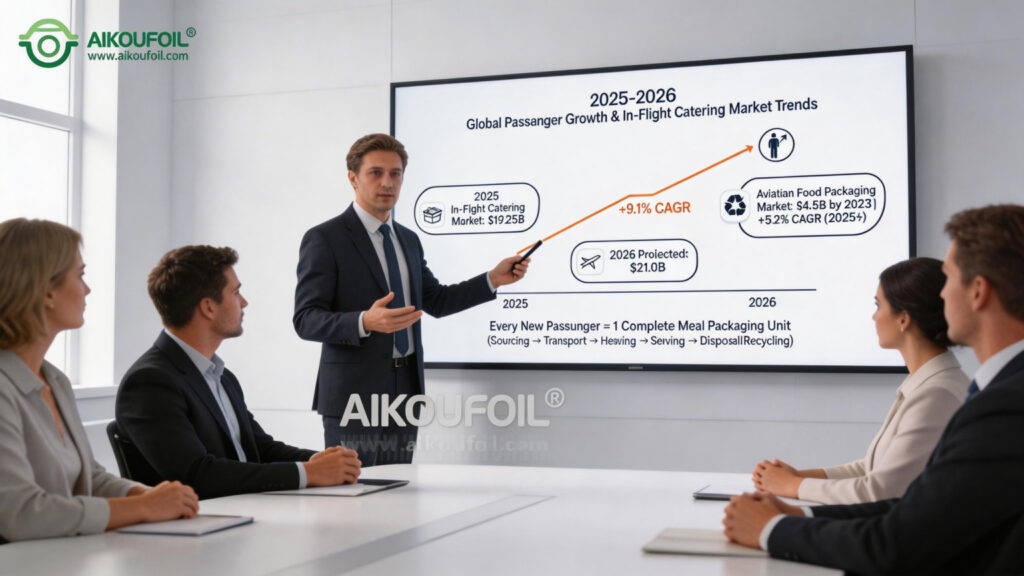
Por qué las aerolíneas están reconsiderando el abastecimiento de bandejas de comida en WTCE Hamburgo 2026
Se acabaron los días en que los gerentes de adquisiciones de las aerolíneas podían simplemente pedir la bandeja de comida más barata disponible. Tres fuerzas convergentes están remodelando fundamentalmente el cálculo de abastecimiento para el envasado de comidas. En primer lugar, el efecto PPWR: el Reglamento de la UE sobre envases y residuos de envases (PPWR, Reglamento UE 2025/40) se volverá legalmente vinculante en los 27 estados miembros de la UE a partir del 12 de agosto de 2026. Entre sus disposiciones más impactantes para la restauración aérea: la prohibición de PFA en envases en contacto con alimentos a partir del 12 de agosto de 2026, lo que elimina muchos revestimientos y tratamientos a base de plástico utilizados anteriormente en las bandejas de comida. Además, para 2030, se prohibirá la comercialización en el mercado de la UE de cualquier envase cuya tasa de reciclabilidad sea inferior al 70%. Para las aerolíneas que operan rutas europeas, cada bandeja de comida a bordo debe cumplir con estos estándares o arriesgarse a violaciones de cumplimiento.
Segundo, el imperativo de emisiones netas cero: El compromiso de la industria de la aviación de emisiones netas cero para 2050, reafirmado por la OACI, se está centrando cada vez más en las emisiones de Alcance 3, aquellas generadas a lo largo de la cadena de suministro. Las principales aerolíneas están traduciendo estos compromisos en cambios tangibles a bordo. Emirates ha instalado uno de los biodigestores comerciales más grandes del mundo en su operación de servicio de comidas en vuelos en Dubái, capaz de desviar más de 2.000 toneladas de CO₂ equivalente al año procesando residuos de alimentos in situ en lugar de enviarlos a vertederos. Hawaiian Airlines se ha comprometido a sustituir 100% de plásticos de un solo uso utilizados en los artículos del servicio a bordo por alternativas sostenibles para 2029. No se trata de iniciativas aisladas, sino que representan un cambio fundamental en la filosofía de aprovisionamiento hacia materiales que respalden los principios de la economía circular.
Tercero, el cálculo del costo del peso: En aviación, cada kilogramo importa. El combustible sigue siendo uno de los mayores gastos operativos para cualquier aerolínea, y el peso del embalaje contribuye directamente a la carga total del avión. Los contenedores ligeros de papel de aluminio, que ofrecen importantes ahorros de peso en comparación con alternativas más pesadas, se han convertido en una palanca significativa para la eficiencia del combustible, convirtiendo lo que antes se consideraba un gasto de producto básico en una oportunidad de optimización de costos.
Bandejas de comida de aerolínea de papel de aluminio: la ventaja estratégica
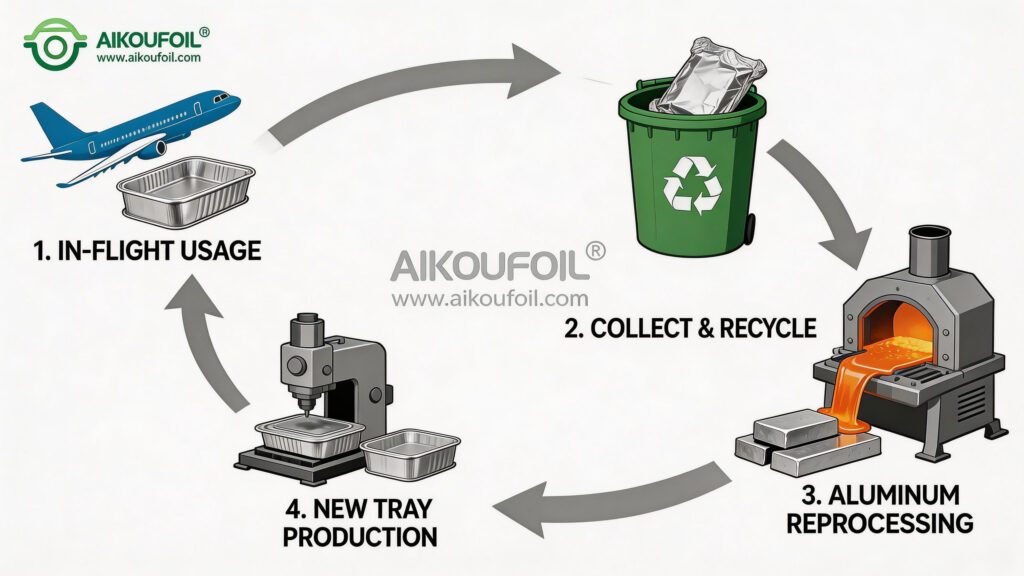
Entre las diversas opciones de materiales disponibles para las bandejas de comida de las aerolíneas —plásticos, alternativas a base de papel y aluminio—los recipientes de papel de aluminio ofrecen una combinación de atributos singularmente atractiva que aborden directamente los desafíos de adquisición de 2026 en adelante. En primer lugar, el papel de aluminio es infinitamente reciclable sin pérdida de calidad. A diferencia del plástico, que se degrada en cada ciclo de reprocesamiento, el aluminio se puede fundir y reformar indefinidamente manteniendo sus propiedades estructurales y de barrera. Esto se alinea perfectamente con los objetivos de economía circular de la industria de la aviación y ayuda a las aerolíneas a demostrar un progreso medible hacia sus objetivos ESG. El uso de envases de papel de aluminio de aluminio reciclable para comidas de aerolíneas es un paso poderoso para reducir la huella ambiental de las operaciones aéreas. En comparación con las alternativas de plástico, la alta tasa de reciclaje y el reprocesamiento energéticamente eficiente del aluminio lo convierten en una opción demostrablemente más sostenible.
La reducción de peso es otra ventaja decisiva. Los envases de papel de aluminio son notablemente ligeros, lo cual es crucial en la industria de la aviación, donde la reducción del peso a bordo se traduce directamente en un menor consumo de combustible. Los avanzados procesos de fabricación de Aikou producen bandejas de aluminio de calibre fino que mantienen la integridad estructural al tiempo que logran importantes ahorros de peso en comparación con los diseños convencionales. Para una aerolínea que opera miles de vuelos diarios, incluso reducciones de peso marginales por bandeja se traducen en ahorros de combustible anuales significativos.
El rendimiento térmico representa un beneficio operativo crítico. El papel de aluminio es muy eficaz para conducir y retener el calor, lo que lo hace ideal para mantener la comida caliente durante el período de servicio. Las comidas de las aerolíneas deben precalentarse en tierra y luego servirse a temperaturas adecuadas a los pasajeros, a menudo una hora o más después del despegue. La superior retención de calor del aluminio garantiza que las comidas permanezcan a una temperatura óptima de servicio, mejorando directamente la experiencia gastronómica de los pasajeros, un diferenciador clave para las aerolíneas que compiten en calidad de servicio.
Desde una perspectiva de higiene y seguridad, los envases de papel de aluminio sirven como artículos de un solo uso que ayudan a minimizar el riesgo de contaminación cruzada. La fuerte resistencia del aluminio a la corrosión y su impermeabilidad a aceites y sustancias ácidas evitan cualquier interacción entre los alimentos y el material de embalaje. Esto es particularmente importante en el entorno de la restauración aérea, donde las comidas se preparan centralmente, se transportan, se almacenan y se recalientan en múltiples ubicaciones antes de llegar al pasajero.
¿Qué aerolíneas buscan activamente en WTCE 2026?
WTCE 2026 es un hito, no un destino. Las decisiones de adquisición tomadas en Hamburgo este abril resonarán en las cadenas de suministro de las aerolíneas durante años. Como la Fase de requisitos de la PPWR Dado que el umbral de reciclabilidad 70% entrará en vigor en 2030 y el umbral 80% lo hará en 2038, los proveedores que ya hayan adaptado sus procesos de fabricación y la elección de materiales a estas normas futuras se convertirán en socios cada vez más valiosos. Las compañías aéreas buscan activamente fábricas como Aikou, un tipo de fabricante poco común que combina un Ambiente de producción limpio estándar BPA con el espectro completo de certificaciones de élite —ISO9001, BRCGS, FSSC22000, HACCP, SGS y FDA—, un perfil de cumplimiento integral que rara vez se encuentra en una sola instalación a nivel mundial. Este doble compromiso con la pureza de fabricación y la seguridad alimentaria certificada posiciona a Aikou entre los pocos proveedores verdaderamente preparados para las demandas de sostenibilidad a largo plazo de la aviación. Las aerolíneas que aseguren relaciones con estos proveedores certificados y con visión de futuro en WTCE 2026 evitarán la carrera por el cumplimiento que inevitablemente caracterizará finales de la década de 2020.
La trayectoria de crecimiento de pasajeros refuerza esta importancia estratégica. La proyección de la IATA de 5.200 millones de pasajeros en 2026 no es un pico, es un hito en una tendencia ascendente continua. Cada pasajero adicional representa no solo una comida para servir, sino una unidad de embalaje que eventualmente entrará en la corriente de desechos o reciclaje. Las aerolíneas que construyen sus estrategias de adquisición en torno a materiales infinitamente reciclables como el papel de aluminio se están posicionando no solo para el cumplimiento, sino para el liderazgo en la economía circular en la que la aviación debe convertirse.
Para los gerentes de adquisiciones de aerolíneas que asistan a WTCE 2026, la pregunta ya no es si hacer la transición a envases de comida sostenibles, sino qué asociación con un proveedor apoyará mejor la confiabilidad operativa, el cumplimiento normativo y los objetivos de sostenibilidad hasta 2030 y más allá. Las conversaciones que comiencen en WTCE definirán la respuesta.
Disponibilidad de Aikou para el Abastecimiento de Bandejas de Comida para Aerolíneas en WTCE Hamburg 2026: Cumplimiento y Capacidad
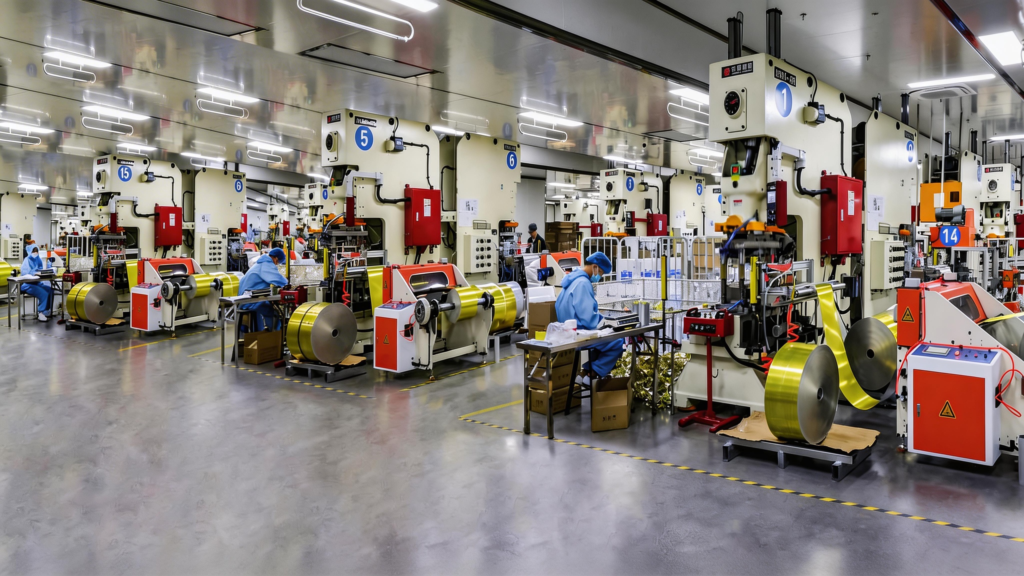
Para los gerentes de compras que asistan a WTCE 2026, la conversación con Aikou comienza donde terminan la mayoría de las discusiones con los proveedores: con excelencia de fabricación verificable y preparación documentada para el cumplimiento. Aikou opera instalaciones de producción de última generación con certificación GMP equipadas con líneas de producción totalmente automatizadas que garantizan una calidad constante en pedidos de alto volumen. Esto no es lenguaje de marketing, es una realidad operativa que se traduce directamente en una menor variabilidad de calidad, tasas de rechazo más bajas y un suministro predecible para las operaciones de catering de aerolíneas que no pueden permitirse interrupciones del servicio.
La personalización es una capacidad fundamental de Aikou. Desde bandejas estándar de un solo compartimento hasta diseños multi-compartimento que separan elegantemente los platos principales de las guarniciones y los postres, las herramientas flexibles y el equipo de ingeniería receptivo de Aikou pueden satisfacer los requisitos específicos de las aerolíneas. Ya sea para grabados de marca, dimensiones especializadas para adaptarse a configuraciones de galera únicas o requisitos de sellado particulares para empaques en atmósfera modificada, Aikou ofrece soluciones personalizadas sin los largos plazos de entrega que a menudo acompañan a las solicitudes de herramientas personalizadas.
Mirando más allá de WTCE 2026: La perspectiva de abastecimiento a largo plazo
La WTCE 2026 es un hito, no un destino. Las decisiones de adquisición que se tomen en Hamburgo este mes de abril tendrán repercusiones en las cadenas de suministro de las aerolíneas durante los próximos años. A medida que se vayan introduciendo gradualmente los requisitos del PPWR —con el umbral de reciclabilidad del 70% entrando en vigor en 2030 y el del 80% en 2038—, los proveedores que ya hayan adaptado sus procesos de fabricación y la elección de materiales a estas normas futuras se convertirán en socios cada vez más valiosos. Las aerolíneas que consoliden sus relaciones con proveedores con visión de futuro en la WTCE 2026 evitarán la carrera por el cumplimiento normativo que, inevitablemente, caracterizará el final de la década de 2020.
La trayectoria de crecimiento de pasajeros refuerza esta importancia estratégica. La proyección de la IATA de 5.200 millones de pasajeros en 2026 no es un pico, es un hito en una tendencia ascendente continua. Cada pasajero adicional representa no solo una comida para ser servida, sino una unidad de embalaje que eventualmente entrará en el flujo de residuos o reciclaje. Las aerolíneas que construyen sus estrategias de adquisición en torno a materiales infinitamente reciclables como el papel de aluminio se están posicionando no solo para el cumplimiento, sino para el liderazgo en la economía circular en la que la aviación debe convertirse.
Para los gerentes de adquisiciones de aerolíneas que asistan a WTCE 2026, la pregunta ya no es si hacer la transición a envases de comida sostenibles, sino qué asociación con un proveedor apoyará mejor la confiabilidad operativa, el cumplimiento normativo y los objetivos de sostenibilidad hasta 2030 y más allá. Las conversaciones que comiencen en WTCE definirán la respuesta.
¿Listo para asegurar su cadena de suministro de bandejas de comida para aerolíneas? Contacta hoy mismo con Aikou.
La conversación de WTCE 2026 no tiene por qué esperar hasta Hamburgo. Ya sea que asista a la feria y desee programar una reunión específica, o esté gestionando adquisiciones de forma remota y buscando un proveedor de bandejas de papel de aluminio confiable y de alta capacidad, el equipo de Aikou está listo para interactuar. Nuestras instalaciones de fabricación con certificación GMP, nuestra cartera de productos que cumple con la PPWR y nuestra sólida trayectoria con socios globales de catering aéreo hacen de Aikou el socio estratégico de abastecimiento que los gerentes de compras están buscando activamente.
Visítanos en línea en www.aikoufoil.com para explorar nuestra gama completa de recipientes de papel de aluminio para comidas de aerolíneas, solicitar muestras de productos o iniciar una consulta técnica. Para los asistentes a WTCE, hay un número limitado de ranuras para reuniones disponibles. Póngase en contacto con nuestro equipo de exportación en [email] para reservar su consulta y asegurarse de que su estrategia de abastecimiento de bandejas de comida sostenibles esté en marcha antes de la fecha límite de cumplimiento de la PPWR. Ya sea que asista a las reuniones de abastecimiento de bandejas de comida de aerolíneas en WTCE Hamburgo 2026 en persona o gestione las adquisiciones de forma remota, el equipo de Aikou está preparado para interactuar.