Why Heat-Sealable Aluminum Food Containers Are Becoming the Preferred Choice for Ready-Made Meals

Last Updated on Juli 10, 2026 by Luca
The role of food packaging has long since evolved beyond merely containing a product. For food manufacturers, central kitchens, airline catering companies, meal-prep businesses, and retail brands, packaging directly impacts production efficiency, transport safety, shelf appeal, customer satisfaction, and even operating costs.
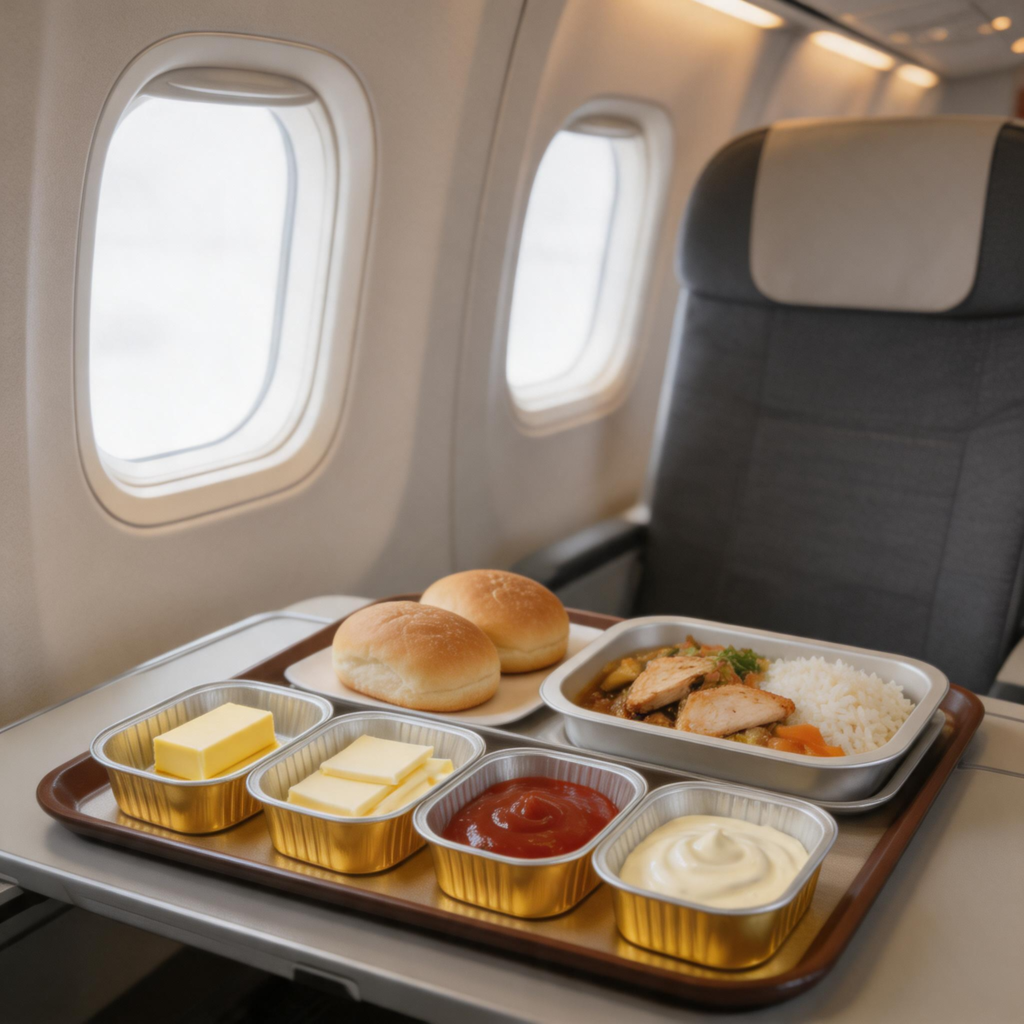
As global demand for ready-to-eat meals, chilled foods, frozen products, and takeout services continues to rise, manufacturers are increasingly prioritizing packaging performance rather than simply seeking the lowest-cost containers.
Among the various packaging solutions available, heat-sealable aluminum food containers have emerged as one of the fastest-growing options. Their ability to provide a reliable seal, withstand a wide temperature range, and integrate seamlessly with automated packaging equipment makes them ideally suited for modern food production processes.
If you are sourcing aluminum food containers for markets in the US, Canada, the UK, Germany, France, or elsewhere in Europe, understanding what constitutes a reliable heat-sealable container can help minimize packaging failures and boost long-term production efficiency.
Inhaltsverzeichnis
Growing Demand for Heat-Sealable Food Packaging
Consumer lifestyles have shifted significantly over the past decade. An increasing number of households rely on ready-made meals that require only simple heating, while restaurants and supermarkets are continuously expanding their ranges of prepared food products.
According to Grand View Research, the global food packaging market is projected to grow steadily in the coming years, driven by rising demand for convenience foods, meal delivery services, and pre-packaged fresh foods. Europe and North America remain the two primary markets for premium food packaging, where consumers place increasing importance on food safety, product quality, and the sustainability of packaging materials.
At the same time, labor shortages and rising operating costs are prompting many food manufacturers to invest in automated packaging lines. With the need to maintain production speeds while minimizing manual intervention, packaging consistency has become crucial. Heat-sealed aluminum containers are increasingly being used in the following sectors:
Ready-to-cook meals
Chilled ready-to-eat foods
Frozen meals
Airline catering
Meal prep services
Bakery products
Food takeout
Institutional catering
Unlike snap-on lids, the heat-sealing process creates a continuous bond between the container rim and the sealing film, thereby providing more reliable and consistent protection during storage and transport.
Why Aluminum Remains One of the Most Reliable Packaging Materials
Aluminum has been widely used in food packaging for decades due to its combination of strength, versatility, and superior barrier properties.
One of its key advantages is its ability to effectively block oxygen, moisture, light, and contaminants. These characteristics help preserve food quality and reduce the risk of flavor degradation during storage.
Unlike many other packaging materials, aluminum maintains its performance across a wide temperature range. Depending on product specifications, aluminum food containers are suitable for freezing, refrigeration, oven heating, and transport, making them ideal for a variety of ready-made meals.
Thermal conductivity is another major advantage of aluminum. It conducts heat efficiently, helping food heat more evenly during cooking or reheating.
Sustainability is becoming increasingly important for both consumers and retailers. According to the International Aluminium Institute (IAI), aluminum can be recycled repeatedly without significant loss of its original properties. Many European countries have established robust aluminum recycling systems, making aluminum packaging an ideal choice for brands seeking recyclable packaging solutions.
Why More Food Manufacturers Are Choosing Heat-Sealed Containers
Many manufacturers initially focus on the cost of individual containers. However, experienced production managers often evaluate packaging solutions based on total operating costs rather than unit price.
Heat-sealed packaging offers several operational advantages.
Properly heat-sealed containers form a continuous seal along the tray rim.
Compared to manually applied plastic lids, the heat-sealing process typically offers greater consistency, particularly during transport involving vibration or stacking.
This is especially critical for products containing sauces, soups, gravies, or marinades.
Even minor leaks can damage retail packaging, contaminate other products, or lead to customer complaints.
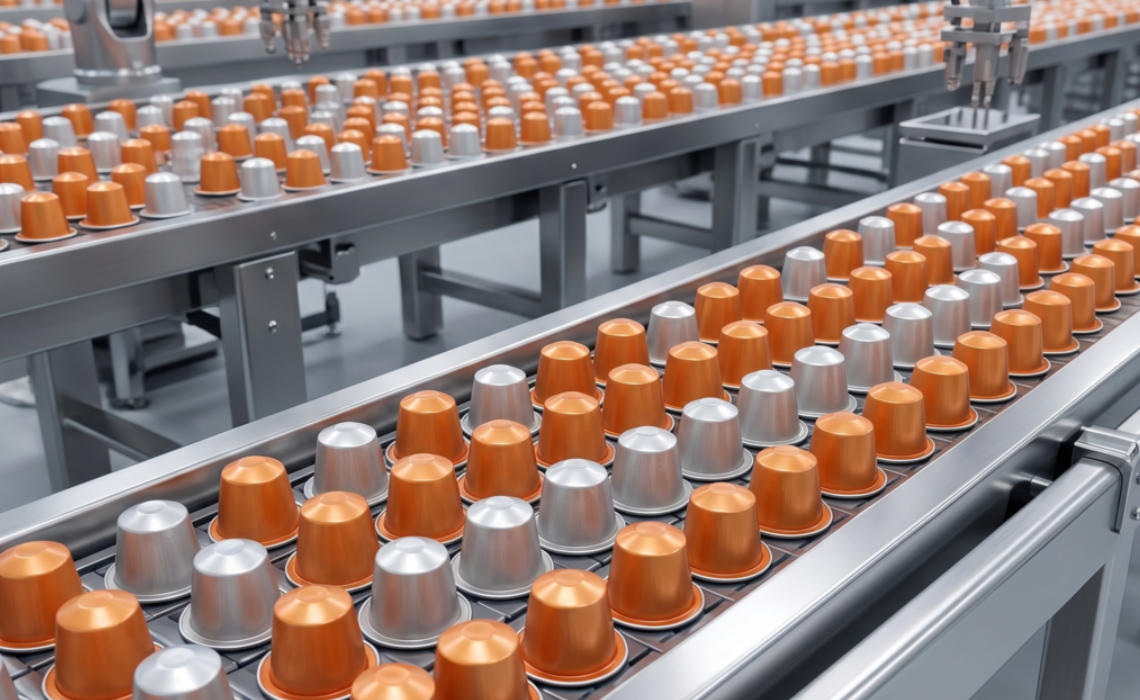
Modern food plants are increasingly relying on automated tray-sealing equipment.
Companies such as MULTIVAC, SEALPAC, and Proseal have developed high-speed tray-sealing systems capable of processing dozens of packages per minute.
These systems perform best when container dimensions remain consistent across batches. Deviations in tray height, seal flange width, or flatness may necessitate machine adjustments or even lead to temporary production stoppages.
For manufacturers operating multiple shifts, minimizing equipment downtime can significantly boost production efficiency.
Consumers often form judgments about food quality before even opening the package. A smooth, wrinkle-free sealing film creates a neat, professional appearance—a factor that is particularly important for premium ready-made meals sold in supermarkets.
Heat-seal packaging also enables manufacturers to use films printed with branding, cooking instructions, nutritional information, and traceability codes.
Common Packaging Problems Manufacturers Face
Packaging failures are rarely caused by a single factor.
Instead, they usually result from several small issues occurring simultaneously.
Inconsistent Tray Dimensions
Even minor variations in flange dimensions can affect sealing quality.
If one side of the tray sits slightly higher than another, the sealing pressure may become uneven, creating weak sealing areas.
Reliable manufacturers use precision tooling and routine dimensional inspections to minimize variation.
Poor Material Consistency
Aluminum thickness influences tray rigidity.
If the material becomes too thin, containers may deform during filling, stacking, or transportation.
Conversely, selecting unnecessarily thick material may increase costs without improving packaging performance.
The optimal specification depends on food weight, logistics conditions, and production requirements.
Incorrect Film Compatibility
Not every sealing film works with every tray.
Different materials—including PP, PET, CPET, and multilayer sealing films—require different sealing temperatures, dwell times, and pressures.
Conducting production trials before large-scale purchasing helps identify the best combination of tray, film, and sealing equipment.
Transportation Damage
Distribution conditions differ widely between local delivery and nationwide retail distribution.
Products shipped over long distances may experience vibration, stacking pressure, temperature changes, and repeated handling.
Packaging should therefore be evaluated not only for sealing performance but also for transportation durability.
Case Study: Improving Packaging Performance for Chilled Ready Meals
A prepared meal producer supplying several supermarket chains in Northern Europe experienced occasional leakage during refrigerated distribution.
Their products included pasta dishes, meat meals, and prepared vegetables packaged with sauces.
The company previously used aluminum containers fitted with snap-on plastic lids.
Although the packaging performed adequately for local distribution, longer transportation routes occasionally resulted in lid movement and minor leakage.
Working together with their packaging equipment supplier, the manufacturer evaluated heat seal aluminum containers designed specifically for automated tray sealing systems.
Following production trials, the company adjusted sealing temperature, pressure, and dwell time to optimize sealing performance.
After implementation, the customer observed several operational improvements:
More consistent package appearance
Reduced leakage during transportation
Improved production efficiency
Fewer manual package inspections
Better product presentation at retail
Actual results naturally vary depending on food formulation, transportation conditions, sealing equipment, and production processes. For this reason, pilot testing remains an important step before full-scale implementation.
Food Safety and Regulatory Considerations
For food manufacturers exporting to North America or Europe, regulatory compliance is just as important as packaging performance.
In the United States, food contact materials should comply with applicable FDA requirements.
Within the European Union, suppliers should understand regulations including:
Regulation (EC) No. 1935/2004 on food contact materials
Commission Regulation (EC) No. 2023/2006 on Good Manufacturing Practice
Other applicable legislation depending on the product and destination market
Professional suppliers should also be able to provide supporting documentation such as:
Declaration of Compliance (where applicable)
Material specifications
Product testing reports
Quality inspection records
Having complete documentation can simplify supplier qualification and regulatory reviews.
How to Evaluate a Heat Seal Aluminum Container Supplier
Selecting a supplier involves more than comparing quotations.
Several factors deserve careful evaluation.
Manufacturing Experience
Suppliers specializing in food packaging generally have greater experience controlling production consistency than companies producing a wide range of unrelated aluminum products.
Experience often translates into more stable dimensions, improved tooling maintenance, and better quality control.
Quality Control Procedures
Ask suppliers about their inspection process.
Typical quality checks may include:
Tray dimensions
Flange flatness
Aluminum thickness
Surface finish
Container weight
Packaging integrity
Consistent inspection reduces the likelihood of receiving mixed-quality shipments.
Production Capacity
A supplier’s production capability affects delivery reliability.
During seasonal demand peaks, manufacturers with multiple production lines and sufficient raw material inventory are generally better positioned to maintain stable lead times.
Technical Support
Packaging involves more than supplying trays.
Experienced manufacturers can often assist customers with:
Film compatibility
Packaging trials
Custom dimensions
Printing options
Packaging optimization
Technical support becomes particularly valuable when introducing new products or upgrading production lines.
Looking Beyond Unit Price
Many purchasing decisions begin with one question:
“What is your price per thousand containers?”
While understandable, this question only captures part of the overall cost.
The true cost of packaging also includes:
Production downtime
Packaging waste
Product returns
Customer complaints
Transportation losses
Labor for inspection and rework
For manufacturers producing hundreds of thousands of meals each month, reducing packaging failures by even a small percentage may generate greater savings than negotiating a lower purchase price.
Evaluating packaging through the lens of Total Cost of Ownership (TCO) provides a more complete picture of long-term value.
Why More International Buyers Source Aluminum Containers from China
China has become one of the world’s leading manufacturing bases for aluminum food packaging.
Its mature aluminum supply chain, advanced forming equipment, and large-scale production capacity allow manufacturers to supply standardized as well as customized packaging solutions for global markets.
Many Chinese manufacturers now export regularly to Europe, North America, Australia, the Middle East, and Southeast Asia.
For international buyers, this often means:
- Competitive production costs
- Flexible customization
- Stable production capacity
- Broad product selection
- Experience with international shipping
Of course, supplier selection remains essential. Buyers should verify manufacturing capabilities, quality systems, export experience, and regulatory documentation before establishing long-term partnerships.
Our Manufacturing Capabilities
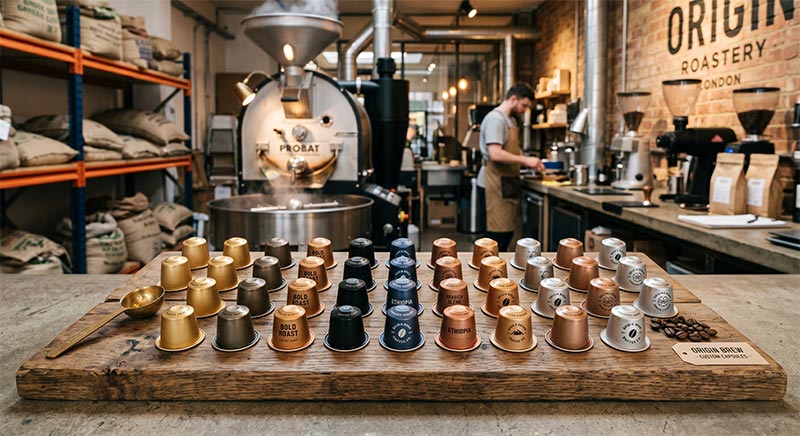
We specialize in manufacturing aluminum food packaging for customers worldwide.
Our product range includes:
- Heat seal aluminum food containers
- Aluminum foil trays
- Airline meal containers
- Takeaway food containers
- Bakery foil cups
- Oven-safe aluminum containers
- Customized OEM packaging
We support customers with product development, sampling, custom dimensions, private label packaging, and export logistics.
Each production batch undergoes routine quality inspections before shipment to help ensure consistency and reliable performance.
Whether you’re launching a new ready meal brand, upgrading your packaging system, or looking for a dependable long-term supplier, selecting the right heat seal aluminum container is an investment in product quality, operational efficiency, and customer satisfaction.
As packaging requirements continue evolving, manufacturers who prioritize sealing performance, production consistency, regulatory compliance, and supply chain reliability will be better positioned to meet the expectations of today’s food industry and tomorrow’s consumers.